


Navigating the National
Cervical Screening Program
A clinical guide for GPs
By Dr Catherine Uzzell
Published March 2026
This article was co-authored by Kerryn Jones (FASC, CCS), Head of Cytology, Clayton, VIC.
The National Cervical Screening Program is more than just a screening program; the program encompasses all aspects of cervical health, including general population screening, management of detected cervical dysplasia and tumours, and investigation of signs and symptoms which may indicate cervical pathology. Each of these groups has specific guidelines for specimen collection, pathways for testing through the laboratory and recommendations based on the individual patient’s screening and clinical history.
In addition, special consideration and pathways exist for patients who may be immunocompromised, have had in utero exposure to diethylstilboesterol (DES) or who have other particular circumstances. The breadth of the program can be daunting for clinicians faced with understanding a patient’s testing needs, providing the correct specimen for testing and interpreting the reasons for various recommendations given in the pathology report. Breaking down these specific groups often makes it easier to address the individual patient’s needs.
Screening Population
Overview
The National Cervical Screening Program (NCSP) recommends a liquid-based collection for HPV DNA testing with a five-yearly screening interval. Screening now commences at 25 years of age (accepted from 24 years and 9 months), with an exit test up to the age of 74 years. The age range is based on evidence that cervical cancer is rare in young patients; screening patients younger than 25 years of age has not altered the number of cervical cancer cases or deaths in this group. This measure also prevents the over-treatment of common cervical abnormalities in young patients, which usually resolve naturally. Additionally, HPV vaccination has already shown a significant reduction of these abnormalities amongst patients in this age bracket.
The patient will be sent an invitation to participate in the Program at 25 years and will be sent a reminder from the NCSP at the time of 5-year recall after a negative screening test (eligible > 4 years and 9 months since a negative screening result).
Collection Methods
The patient may have a traditional doctor-collected Liquid Based Cytology (LBC) cervical test where the cervix is sighted on speculum examination and the transformation zone of the cervix directly sampled, or may choose to have a self-collected vaginal sample (see Tables 3 and 4). Both samples will receive primary examination by molecular testing for High Risk (HPV 16 and HPV 18) and Intermediate Risk (non-16/18 HPV) Human papillomavirus (HPV) types.
Interpreting HPV-Negative Results
There is good evidence to support primary molecular HPV cervical testing in the screening population. Primary HPV testing has been shown to have a high negative predictive value; if a patient is negative for Intermediate or High Risk HPV types, there is a low risk of developing significant cervical pathology in the 5 year interval until the next cervical screening. This high negative predictive value underpins the recommendations for this group.
Patients with a negative test are deemed LOW RISK and can be safely screened after a 5-year interval.
As most patients in the screening population will test HPV-negative and require no further testing, a self-collected cervical test is an attractive, non-confronting screening option and has encouraged many individuals who would not otherwise participate in the Cervical Screening Program to undertake screening.
Management of HPV-Positive Results (Non 16/18 Types)
Patients who have HPV detected have a positive marker for potential cervical pathology and will require further investigation. Patients with non-16 non-18 HPV subtypes detected are considered to be at INTERMEDIATE RISK of significant cervical pathology and require cytological examination of the cervix to determine if cellular changes are present, and if so, the nature and degree of these changes.
Where an LBC-based collection was provided, this will be undertaken on the vial received, but patients who have had a primary self-collected vaginal sample will need to have a clinician-collected cervical LBC collection taken to facilitate cytological examination. The cytological findings will determine the recommendation; if no pathology (normal findings) or low-grade squamous intraepithelial lesion (LSIL)/possible LSIL is found, the patient will be recommended to have a repeat screening in 12 months. This repeat collection can also be done via self-collect testing. Evidence has shown that some of these HPV infections/LSILs will resolve and the patient requires only monitoring in the short term to ensure that their disease does not progress.
Where a high-grade squamous intraepithelial lesion (HSIL), endocervical or other neoplastic pathology is found or suspected, the patient is considered HIGH RISK and will be recommended for colposcopy. A patient who has not cleared their non-16 non-18 HPV after repeated surveillance (3rd annual repeat for patients under 50 years, 2nd annual repeat for patients 50 years and over) is also considered HIGH RISK despite the cytological findings and will be recommended for colposcopic examination to ensure significant cervical pathology is not being missed.
Management of High Risk HPV 16 and 18
A patient who tests positive for HPV 16 or HPV 18 will be immediately recommended for colposcopic examination due to the HIGH RISK nature of these infections and association with both squamous and endocervical high grade lesions and tumours. Where an LBC collection has been performed, the cytology will be examined but this will not inform the need for colposcopic examination. Patients who have their HPV 16 or 18 infections discovered on self-collect testing are recommended to go directly to colposcopic examination. These patients do not require an LBC collection to be done by their general practitioner, as it will be performed by the gynaecologist, usually at the time of colposcopy. Patients who continue to test positive for HPV 16 or 18 will be recommended for colposcopic examination with each positive test.
Role of the National Cervical Screening Registry
Pathology providers of cervical screening have access and provide information to the National Cervical Screening Registry which tracks individual patient screening history and management. This history informs our recommendations, and patients may be recommended for colposcopic examination if they are underscreened and have persisting HPV infection/LSIL according to their screening history, or have had a previous significant result which has not been followed up. General Practitioners are also able to request access to a participant’s screening history by accessing the Healthcare Provider Portal via PRODA.
It should be noted that individuals can opt out of the Registry collecting their information. In cases where a history is not available, the pathology provider will determine the recommendation based on the information available to them; this may include any clinical history provided, HPV status and/or LBC findings, and any other previous tests held by that provider.
Screening in Pregnancy
Screening should be continued as scheduled during pregnancy. Self-collection is considered safe. If a clinician-collected specimen is taken, a broom-type brush should be used.
Screening Populations with Specific Recommendations
Some patients have conditions with known increased risk factors for HPV infection and cervical disease (see Table 1).
Immune Deficiency
This group includes patients with congenital (primary) and acquired (HIV+) immune deficiency, solid organ transplant recipients, patients treated by immunosuppressant therapy for auto-immune disease, and bone marrow transplant recipients being treated for graft vs host disease. These patients should be considered for screening every 3 years rather than the usual 5-year screening interval.
In Utero Exposure to Diethylstilboesterol
Diethystilboesterol was given to some pregnant patients up until the early 1970s when it was discovered that in utero exposure was associated with an increased risk of clear cell carcinoma of the cervix and vagina. This rare tumour is not HPV-associated, so patients exposed in utero require a clinician-collected LBC screening test so co-testing with cytology can be performed. Self-collect testing is not suitable for these patients.
Screening After Hysterectomy
Screening will depend on prior screening history and the presence or absence of cervical pathology at the time of hysterectomy. If no screening history or test of cure for HSIL has been previously completed and no pathology is found at hysterectomy, no further screening is required. Patients with known HSIL should complete their Test of Cure. Patients with HSIL or LSIL found at hysterectomy, or no screening history, should have annual HPV tests until two consecutive negative tests. Patients with endocervical adenocarcinoma in situ should commence annual vaginal vault co-testing. Patients who have had a subtotal hysterectomy with an intact cervix should follow the routine cervical screening program.
Table 1. Populations with specific recommendations for screening.

| Patient Group | Examples/Conditions (Include details on Pathology Test request form) | Recommended Screening Interval | Collection Method |
|---|---|---|---|
| Immune deficient patients | • Congenital (primary) immune deficiency • Acquired immune deficiency (including HIV+) • Solid organ transplant recipients • Patients on immunosuppressant therapy for autoimmune disease • Bone marrow transplant recipients treated for graft versus host disease | 3 years | Self-collect |
| In utero exposure to Diethylstilbestrol (DES) | • Increased risk of clear cell carcinoma of the cervix and vagina • Tumour is not HPV associated | 3 years | Clinician-collected LBC for co-testing (HPV + Cytology). Self-collect testing not suitable. |
Management Population
The aim of the Cervical Screening Program is to recognise HSIL and treat these lesions before they develop into invasive squamous cell carcinoma (SCC), and additionally to detect neoplasia of the endocervical glands. In patients with ongoing evidence of HPV infection and/or LSIL, continued surveillance is required to detect progression to HSIL and development of endocervical lesions, as previously described.
Test of Cure (TOC)
Patients who have been treated for HSIL (CIN 2/3) are required to undergo a Test of Cure (TOC) to confirm successful treatment (see Table 2). Test of Cure requires HPV testing to be performed annually until two consecutive negative results are achieved and can be performed as clinician-collected or self-collected samples. Again, if HPV is detected, the recommendation and need for cytological examination or colposcopic examination will depend on the type of HPV detected +/- the cytological findings.
Table 2. Test of Cure (TOC) – Patient Surveillance
| Patient Group | Details |
|---|---|
| Who requires TOC? | • Patients treated for HSIL (CIN 2/3) are required to undergo a Test of Cure. |
| Purpose of TOC | • To confirm successful treatment following HSIL (CIN 2/3). |
| Testing Requirements | • HPV testing annually until two consecutive negative results are achieved. |
| Collection Methods | • Clinician-collected (LBC) • Self-collected (swab) |
| If HPV is detected | • Further management depends on HPV type detected. |
Adenocarcinoma in Situ (AIS)
Patients who have been treated for adenocarcinoma in situ (AIS) with histologically confirmed clear margins should commence annual co-testing with a clinician-collected LBC sample. If 5 consecutive co-tests are negative, the patient can be extended to co-tests every 3 years until 25 years of negative surveillance has been achieved. If any abnormal result is found on co-testing, the patient will be recommended for colposcopic examination.
Invasive Cervical Cancer
Patients who had hysterectomy for cervical SCC or invasive adenocarcinoma of the endocervix should have their ongoing management informed by their treating gynaecologist or oncologist.
Investigations of Signs and Symptoms
Patients who present with gynaecological signs and symptoms which may be indicative of cervical pathology are not considered part of the screening population; they require investigation and exclusion of cervical disease. Self-collected specimens are NOT appropriate in these patients as they require cytological examination in addition to their HPV status (co-testing). Cytological examination may also detect endometrial abnormalities in some cases.
Patients presenting with the following symptoms require clinician collected LBC and investigation:
- Post-menopausal bleeding
- Unexplained intermenstrual bleeding
- Persistent post-coital bleeding
- Unexplained abnormal vaginal discharge
The request form should clearly state that the patient is symptomatic so the required testing is performed and appropriate recommendation is given. It should be noted that a negative cervical test does not exclude significant gynaecological pathology and further investigation and/or gynaecological referral should be considered.
When is Co-Testing Required and Covered by the MBS?
- For symptomatic patients
- For patient’s undergoing surveillance after complete excision of adenocarcinoma in situ (AIS)
- Patients with a history of DES exposure
Table 3. Clinician-collected versus self-collected samples for cervical screening tests.
| Clinician-collected cervical sample | Self-collected vaginal sample | |
|---|---|---|
| Is co-testing possible? | Yes | No |
| Indicated for: • Those who are eligible and due or overdue for cervical screening, including during pregnancy • Other points in the pathway where only a HPV test is required, including Test of Cure after HSIL treatment • People who have had a total hysterectomy with history of HSIL | Yes | Yes |
| • Those undergoing surveillance after completely excised AIS | Yes | No |
| • People who have signs and symptoms suggestive of cervical cancer • People who have postcoital or intermenstrual bleeding, postmenopausal bleeding, or unexplained persistent vaginal discharge • People who were exposed to DES in utero | Yes | No |
Summary of collection method and device
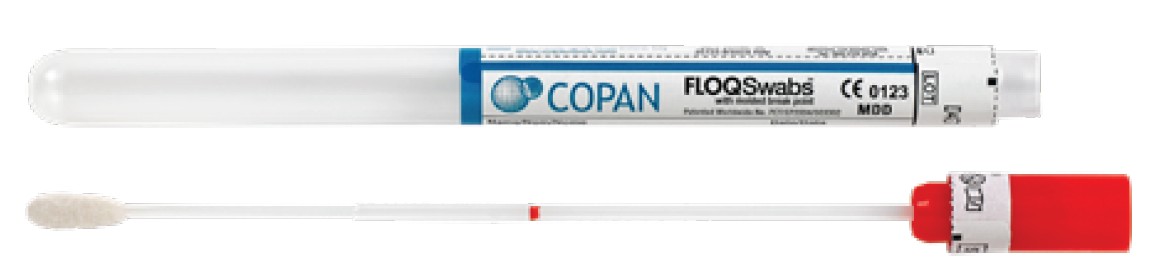
Self-collect Swab (FLOQSwab - Copan 552C)
- Site of collection: Vagina
- Test Performed: HPV
- Population: Screening (not symptomatic patients)
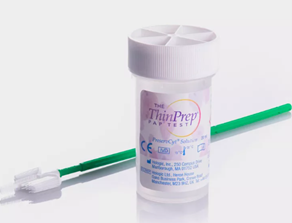
Clinician-collected LBC
- Site of collection: Cervix, Vault
- Test Performed: HPV +/-LBC
- Population: Management and symptomatic patients
For further information about the National Cervical Screening Program, please visit our website.
If you enjoyed this article, subscribe to our electronic Pathology Focus newsletter.

References
National Cervical Screening Program Guidelines. V2.22 published 09/10/2025. https://app.magicapp.org/#/guideline/Eez2Kj
About the Author

Dr Catherine Uzzell
MBBS FRCPA- dermatopathology
- gastrointestinal pathology
- gynaecological pathology
- women's health
Dr Uzzell commenced as a staff Anatomical Pathologist with Gribbles (an Australian Clinical Labs business) early in 2004. She graduated from The University of Sydney and worked in a number of hospitals in both Victoria and New South Wales including the Western Hospital Footscray, Monash Medical Centre, Frankston Hospital, Gosford Hospital and Wyong Hospital on the Central Coast of NSW.
A Fellow with the Royal College of Pathologists of Australasia, Dr Uzzell has an interest in women’s health and gynaecological pathology and cytology. She has over 13 years of experience in reporting cytology, with particular emphasis on gynaecological cytology, and had presented to many general practice and specialist groups regarding changes to the Cervical Screening Program.
Dr Uzzell has a special interest in Dermatopathology and is a member of the Australasian Dermatopathology Society.
Local Pathologists
 Pathologist

 Pathologist
Related Pages

Cervical Screening
Women and people with a cervix from 25 to 74 years of age are encouraged to have a Cervical Screening Test at Australian Clinical Labs every five years to check for the Human Papillomavirus (HPV)

STI Case Studies
Explore Clinical Labs case studies on systemic manifestations of STIs, highlighting atypical presentations of gonorrhoea and syphilis and the importance of early detection in general practice.

Targeted vs Genome-wide NIPT
Associate Professor Mirette Saad compares targeted and genome-wide NIPT approaches, outlining benefits, limitations and clinical considerations for prenatal screening.